As part of the Calderdale Cancer Aware Project, the team worked in close collaboration with the Inclusion and Integration Team to deliver culturally sensitive cancer awareness sessions to South Asian women in Calderdale.
The work focused on addressing health inequalities, improving understanding of cancer prevention, and increasing confidence around screening within communities that often face cultural, linguistic, and systemic barriers.
Awareness Sessions at Hanson Lane Enterprise Centre
Cancer awareness sessions were delivered at Hanson Lane Enterprise Centre to over 200 South Asian women from a range of ethnicities, backgrounds, and age groups (8–65 years). Participants were service users attending ESOL (English for Speakers of Other Languages) classes.
The aim of the sessions was to:
- Raise awareness of cancer prevention and early detection
- Address cultural stigma, fear, and myths surrounding cancer
- Improve understanding of breast and cervical screening
- Ensure essential health information was accessible and understood
Culturally Tailored Delivery
The sessions were carefully designed to overcome language and cultural barriers by:
- Using simple, plain language
- Delivering sessions in Potwari and Urdu
- Using bilingual facilitators
- Providing culturally sensitive materials
- Allowing space for open discussion and questions
Topics included:
- Breast and cervical cancer
- Signs and symptoms
- Screening guidelines
- Early detection and improved outcomes
- Addressing myths (e.g. cancer being contagious or screening causing cancer)
These approaches ensured that vital health information was not missed and that women felt respected, understood, and supported.
Breaking Stigma and Building Confidence
In many South Asian communities, cancer can be associated with fear, shame, and stigma, particularly around breast and cervical health. The sessions helped to:
- Normalise conversations around cancer
- Improve understanding of medical terminology
- Address misconceptions and cultural beliefs
- Build trust in health services
Women shared that fear and lack of awareness often delay seeking help. The sessions emphasised how early detection significantly improves survival rates and encouraged women to recognise symptoms and seek help sooner.
Empowerment Outcome
The sessions empowered women to take control of their health.
As a direct outcome, 10 women confidently decided to attend cervical screening, demonstrating increased confidence and informed decision-making.
These awareness sessions are ongoing.
Breast Screening Survey
A breast screening survey was conducted with South Asian women from the local community. The purpose of the survey was to:
- Understand why South Asian women may not attend breast screening
- Identify barriers such as cultural beliefs, lack of information, or access issues
- Inform targeted solutions to improve screening uptake
The findings will help shape future engagement and improve service accessibility.
Community Engagement in Park Ward
Further engagement took place in Park Ward, focusing on building relationships and raising awareness through trusted community settings.
Recognising the importance of cultural understanding, engagement focused on:
- Religious establishments
- Established women’s groups
- Trusted community leaders
As a bilingual female community worker, I was able to communicate effectively, build trust, and deliver messages in ways that resonated with women’s lived experiences.
Engagement with Mosques
Through networking and word of mouth, I worked closely with the Inclusion and Integration Manager, who supports ESOL learning with HOT, to gain initial access to a local mosque via the female manager. Sessions were delivered at Hanson Lane Enterprise Centre and later within mosque settings.
Impact:
- Over 50 women engaged initially
- Further engagement with two additional mosques
- Over 250 women engaged in total across mosque-based sessions
Delivering sessions in familiar, trusted environments helped women feel safe and comfortable discussing sensitive health topics. Plain language and bilingual delivery encouraged confidence and participation.
Strengths of Community-Led Engagement
Key strengths of this approach included:
- Reducing language and literacy barriers
- Building trust and safety
- Respecting cultural values and spaces
- Encouraging confident discussion and questions
- Ensuring women left with meaningful, actionable information
Leaflets and posters alone were less effective. Face-to-face engagement through trusted women and community leaders proved far more impactful. Messages spread quickly through strong family, friendship, and cultural networks.
The project continues to visit local mosques monthly, strengthening relationships and understanding the long-term impact of this work.
Promoting the Screening Van
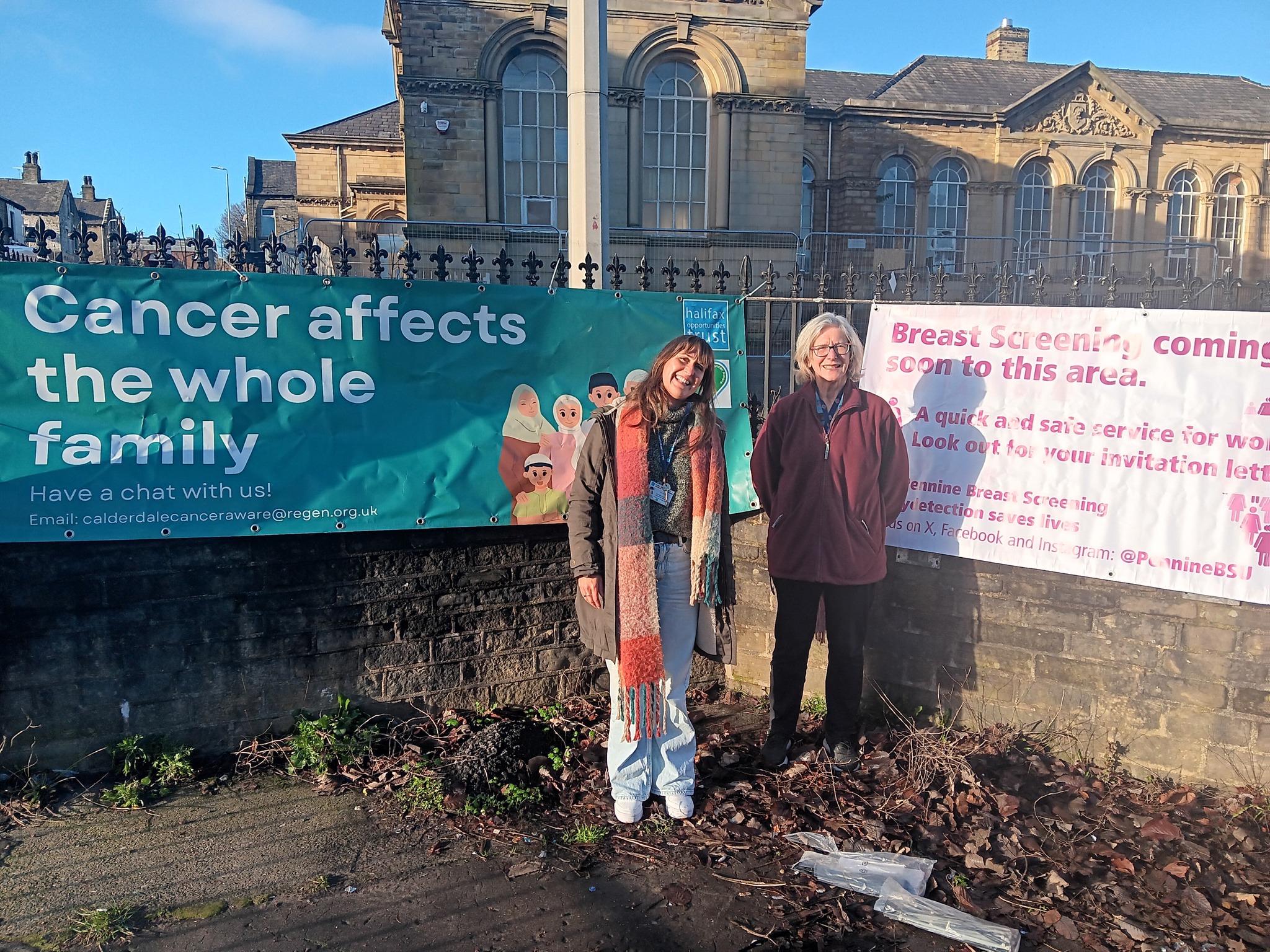
Following trust-building engagement, sessions were revisited to raise awareness about the breast screening van arriving at Asda in January 2026.
The sessions:
- Explained the importance of screening
- Reassured women that the van is private, welcoming, and non-clinical
- Reduced anxiety and fear around attending screening
- Encouraged women to make informed choices about their health
Conclusion
This collaboration has demonstrated that culturally sensitive, community-led engagement is essential in reducing health inequalities. By working with trusted partners, delivering in community languages, and creating safe spaces, the Calderdale Cancer Aware Project has successfully empowered South Asian women to engage with cancer awareness and screening on their own terms.
The work is ongoing and continues to build trust, confidence, and long-term impact within the community.